+91-967-666-3850
 jaikapees@gmail.com
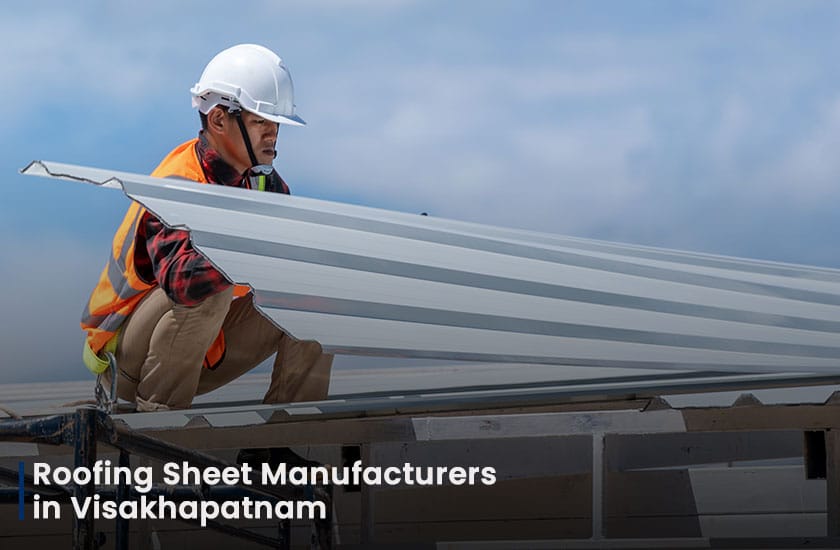
More than just a covering, your roof shields your house from the elements, including wind, rain, and the sun. Whether made of fiber, plastic, or metal, roofing sheets can deteriorate over time. At that point, you may wonder if you should get a complete replacement or fix it. You can keep your house safe, avoid more serious issues, and save money by knowing the correct answer.
What are Roofing Sheets?
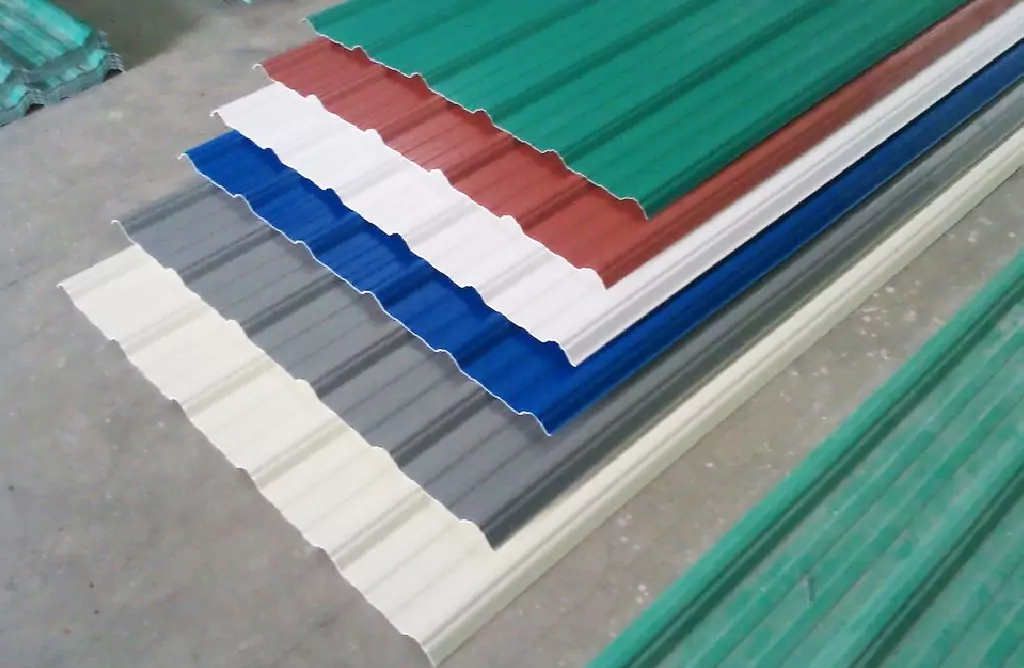
The outermost layer of your roof is made up of roofing sheets. They are composed of weather-resistant but not impervious to harm materials such as fiber-reinforced plastic, polycarbonate, aluminum, and galvanized steel. Even high-quality sheets might rust, break, or loosen with age or after severe storms.
How to Spot Trouble Early
Your roof doesn’t have to fall apart to show it needs attention. Watch for signs like:
- Small cracks, holes, or rust patches.
- Water stains on ceilings or walls.
- Loose or missing screws.
- Roof areas that look bent or saggy.
These signs don’t always mean full replacement, but they should never be ignored.
When Repair is Enough
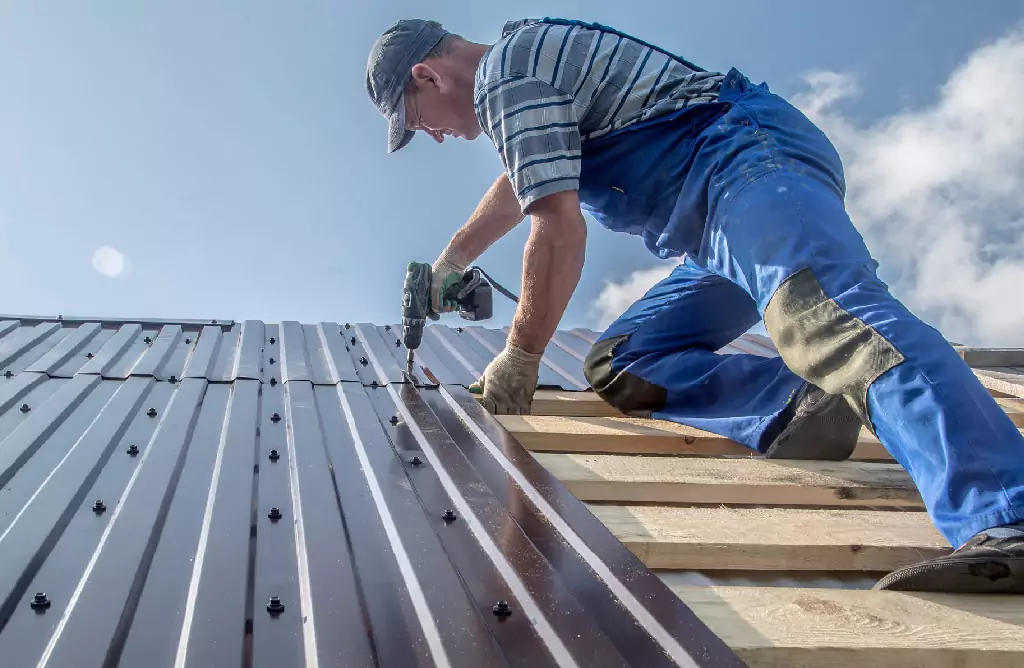
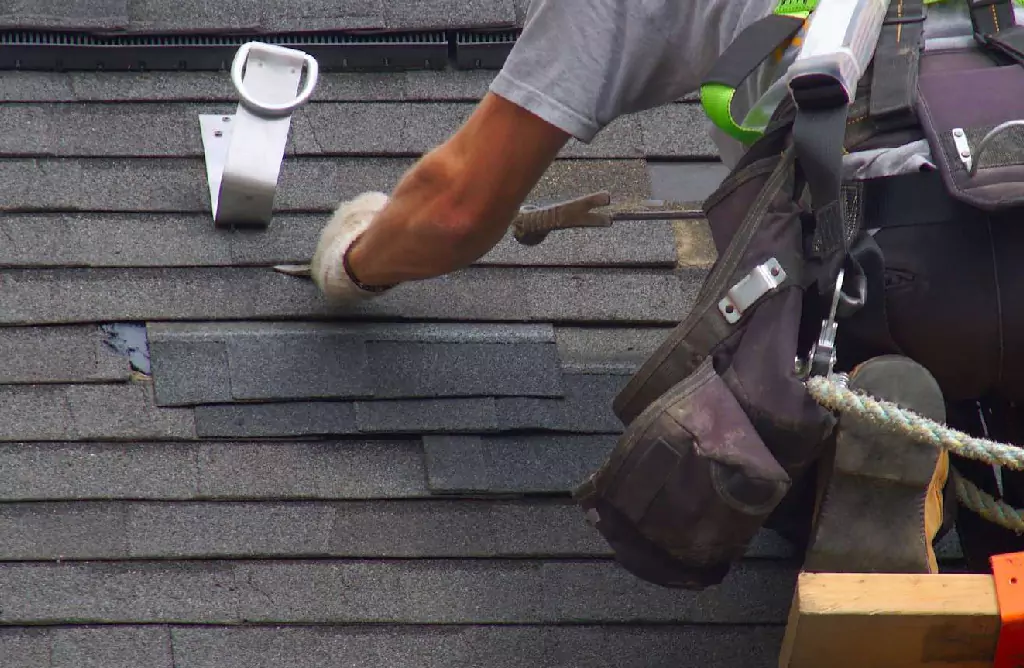
If the damage is small and limited to a few sheets or joints such as minor leaks or rusted screws a simple repair can resolve the issue. Using a good sealant, making a few replacements or tightening screws may extend the life of your roof by several years. Repair is a cost-effective option when the roof is generally in good condition.
When Replacement is the Better Option
If the problems keep coming back, or if damage covers a large portion of the roof, it’s better to replace the sheets. Roofs that are 15-20 years old often lose strength and insulation power. Replacing them gives you a stronger, longer-lasting solution and avoids repeated repair costs. Plus, newer roofing sheets often provide better heat resistance and look more modern.
Other Things to Consider
After heavy storms or strong winds, it’s wise to check your roof even if there’s no visible damage. Hail can dent metal sheets, and wind can loosen fixtures. Also, if the roof was not installed properly in the first place, ongoing problems are likely. In such cases, replacing the roof might be the smarter fix.
Old roofing can also lead to higher electricity bills by failing to insulate your home well, forcing your fans or ACs to work harder. A new roof can help cut those costs, too.
The Importance of Regular Roof Inspections
One of the best ways to avoid costly repairs or premature replacement is by scheduling regular roof inspections. Even if you don’t notice any obvious problems, a professional can spot small issues before they become big headaches.
Inspections are especially important after heavy rains, storms, or extreme weather events. Catching problems early can extend the life of your roof and prevent leaks that damage your walls or furniture.
Simple maintenance tasks like cleaning gutters, removing debris, or trimming tree branches also help prevent water damage and extend the life of your roof.
Choosing the Right Roofing Material for your Climate
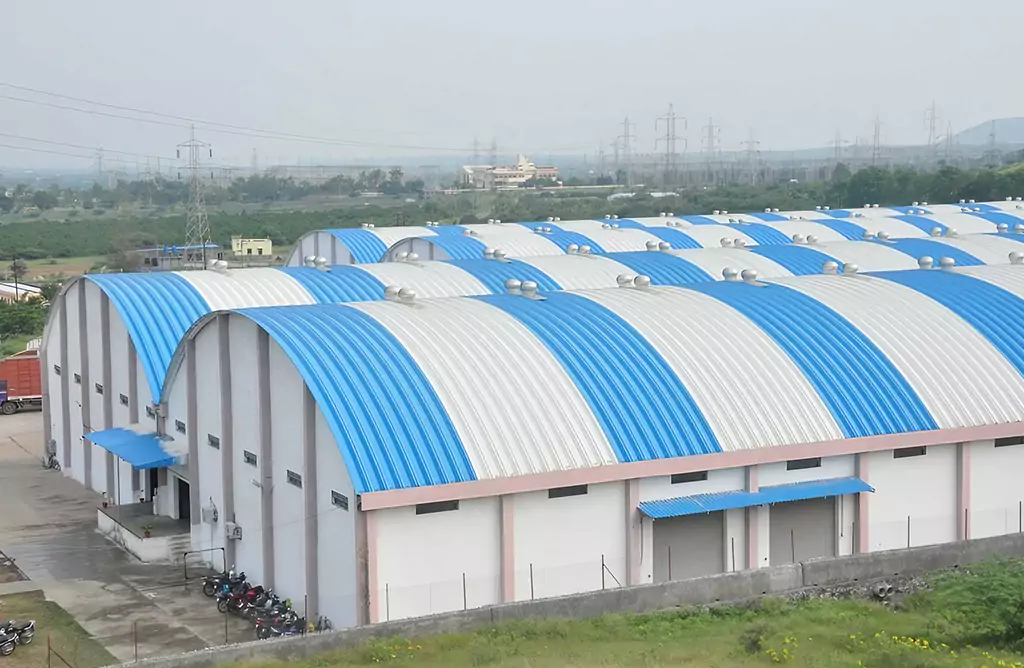
When it’s time to replace your roofing sheets, consider the climate in your area before selecting materials. For example, metal sheets are durable and great for heavy rains, but can get very hot under intense sun unless properly insulated. Polycarbonate sheets are lightweight and affordable, but may not last as long in harsh weather. Discussing these options with a roofing professional can help you choose the best material that balances cost, durability, and energy efficiency for your home.
Final Thought
If you are frequently fixing your roof or if it has been decades since the last replacement, it may be time to start fresh. A well-timed decision, whether repair or replacement, can protect your home, save money, and give peace of mind. When in doubt, consult a roofing expert for a clear answer based on your roof’s condition.