+91-967-666-3850
 jaikapees@gmail.com
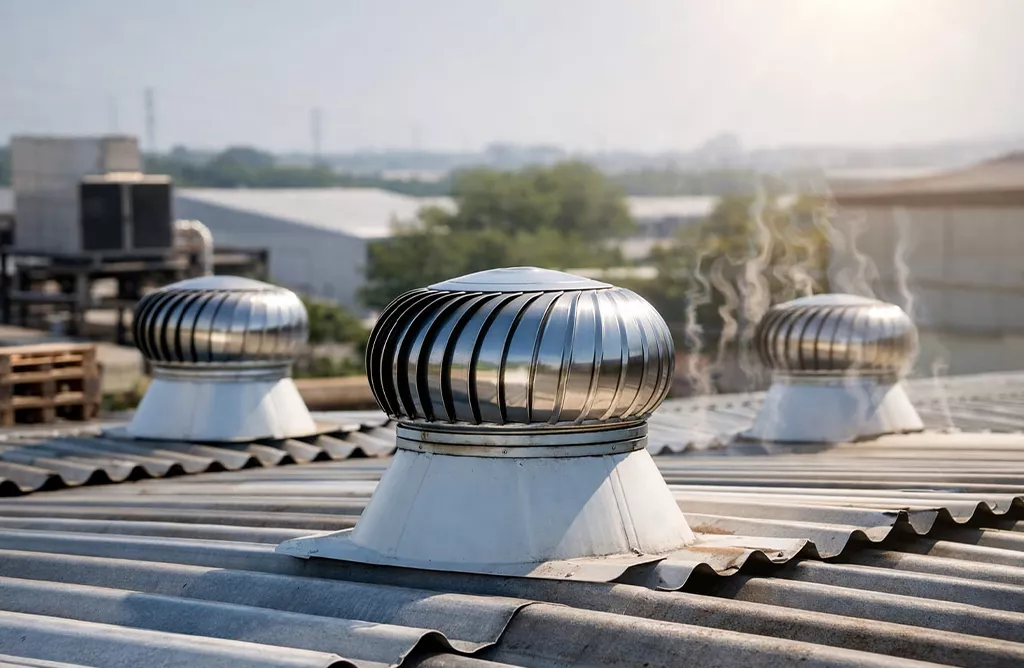
Heat during summer can be extreme, particularly within factories, storage areas, and residential buildings where adequate ventilation is absent. Due to such factors, there is a need for measures that could solve this problem. Among some of the best methods available for combating the problem would be the application of turbo roofing ventilators.
Understanding the Summer Heat Problem
In the summer, the roof absorbs a lot of heat from the sun. The heat stays inside the building, raising the indoor temperature substantially. The heat absorption effect will be higher in buildings made of metal or sheets since these materials have higher thermal conductivities.
In the absence of proper ventilation, the heat will stay inside the room and cause:
- Increase in indoor temperature
- Poor air quality
- Discomfort to people living there
- Heavy dependence on artificial cooling devices
- Turbo ventilators come into the picture here.
What Are Turbo Ventilators?
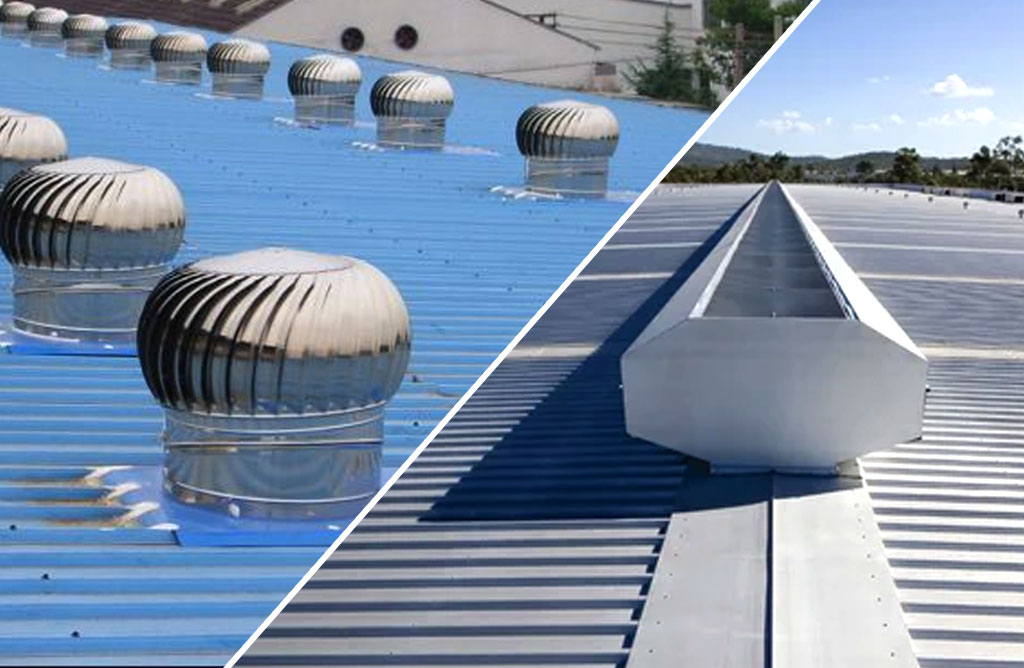
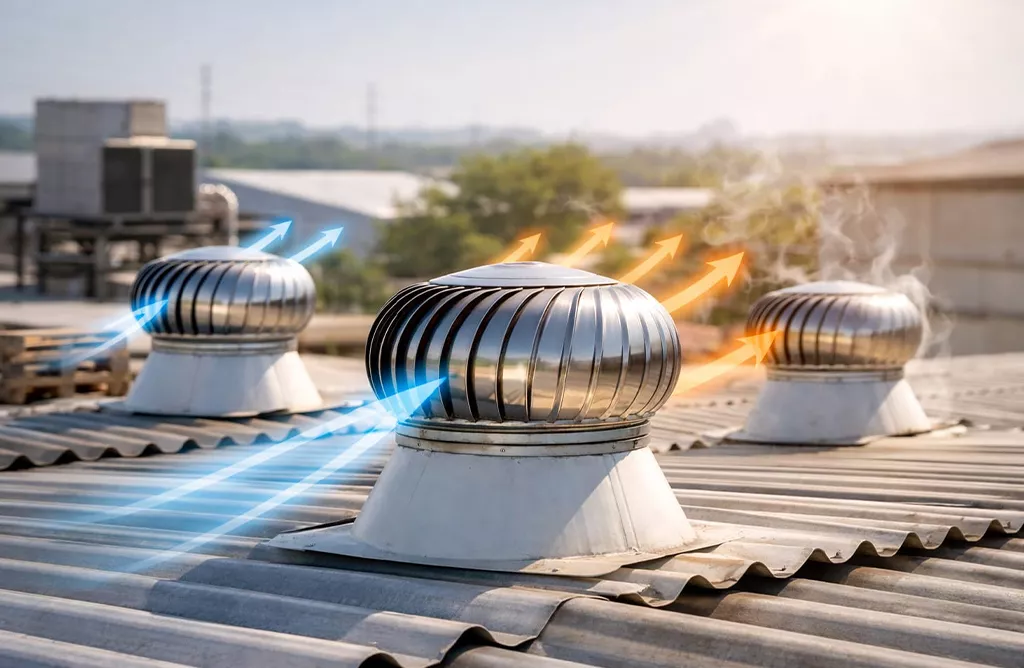
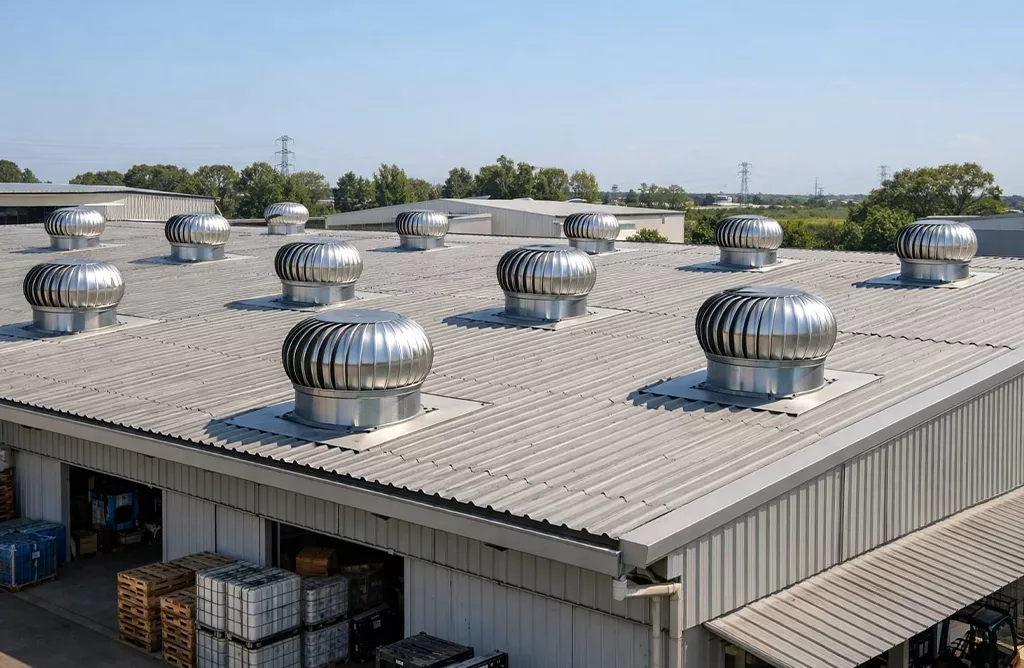
Turbo ventilators are wind-powered machines fitted on roofs. These ventilators rotate because of wind power and generate a vacuum that sucks out warm air from the premises. Unlike exhaust systems powered by electricity, they do not require any energy and thus offer an environmentally friendly option.
They are extensively utilized in industrial plants, manufacturing facilities, commercial structures, and even residential areas as an innovative roof service system.
How Turbo Ventilators Reduce Heat
1. Continuous Hot Air Extraction
The turbo ventilator operates all the time provided there is some breeze blowing. This device releases the entrapped warm air from the premises, lowering the temperature inside. Thus, the temperature will not build up even during the hottest hours of summer.
2. Improved Air Circulation
Through the evacuation of the hot air, the turbo ventilators can enable the inflow of fresh air into the building. This makes the whole process of ventilation efficient while also ensuring a perfect balance of the indoor environment.
3. Reduction in Roof Heat Load
High-quality roofing materials create structures that tend to absorb and retain heat, causing elevated interior temperatures. The turbo vent assists in minimizing such overheating by consistently allowing the release of trapped heat.
4. Energy Efficiency
Because turbo ventilators work without electricity, there is a substantial decrease in the use of air conditioners and exhaust fans. As a result, less energy is consumed, resulting in decreased electricity bills, especially during summer periods.
5. Moisture and Humidity Control
Apart from heat, turbo ventilators are also used to eliminate moisture from indoors. This eliminates the problems of dampness, corrosion, and molds that could occur especially in an industrial setting.
Benefits of Turbo Ventilators in Summer
The benefits of installing turbo ventilators include:
- Natural Cooling: Cooling without electrical power
- Economical: Installation is once only and very little maintenance is required
- Environmentally Friendly: Harnesses natural wind energy
- Improved Efficiency: Better conditions for work and living
- Stays Longer: Long-lasting and weather-resistant
- In industries, it will improve production and the efficiency of machines
Ideal Applications
Turbo ventilators can be used for different types of buildings such as:
- Sheds and Factories
- Warehouses and Storage Units
- Office Buildings
- Houses and Apartments
- Agricultural Buildings
A professional roofing service provider will help you to find out the ideal number of turbo ventilators for your building.
Importance of Quality Roofing Materials
For optimal functionality of turbo ventilators, use high-quality roofing sheets by manufacturers. Roofing material will not only contribute to the proper installation process but will also improve overall thermal efficiency. In combination with reliable roofing services, the application of turbo ventilators becomes easier and more efficient.
Choosing the Right Roofing Company
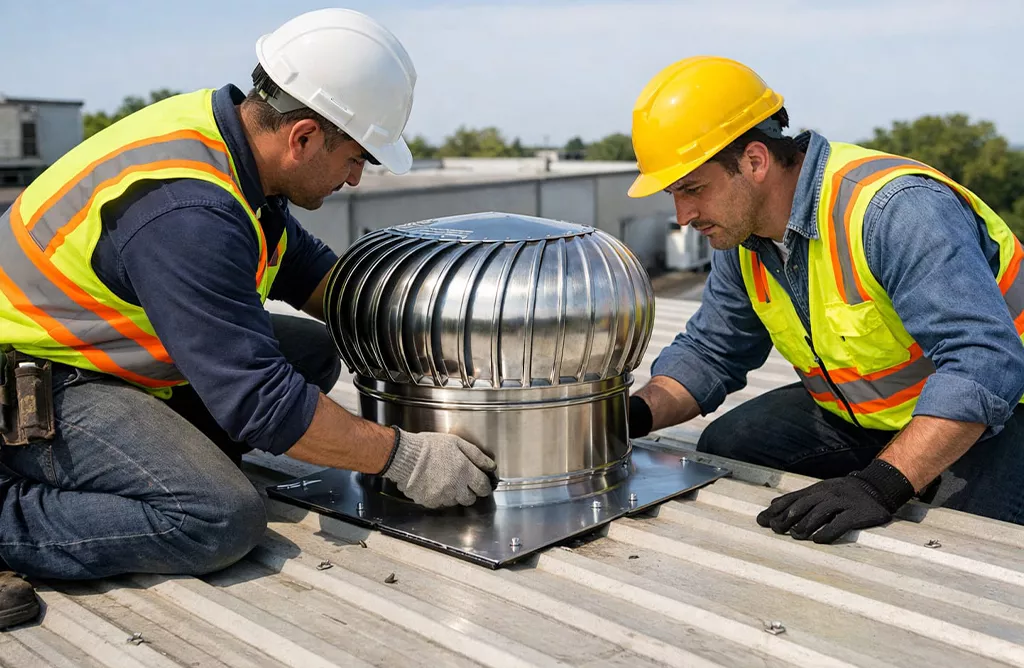
Turbo ventilators perform efficiently depending on their installation and design. By choosing a professional roofing company, one can ensure:
- Proper location to promote air flow
- Compatibility with the current roofing system
- Quality roofing material
- Installation assistance
Conclusion
The control of heat during the hottest season can be a daunting task in most buildings. However, a turbo ventilator presents a viable option for the elimination of hot air and better ventilation.
In combination with effective roof ventilators, high-quality roof sheets, and professional roofers, they provide a cooler and healthier atmosphere. Selecting the right roofing firm and reliable roofing sheet producers makes them even more effective.
If you want to enjoy cooler temperatures, save on energy bills, and create a comfortable indoor atmosphere this summer, turbo ventilators are the way to go.
FAQs
1. What are turbo ventilators and how do they work?
Turbo ventilators are wind-driven roofing ventilators that rotate using natural air flow. They remove hot and stale air from inside the building, improving ventilation without electricity.
2. Do turbo ventilators really reduce heat in summer?
Yes, turbo ventilators continuously expel trapped hot air, reducing indoor temperature and making spaces cooler and more comfortable during peak summer.
3. Are turbo ventilators suitable for all types of buildings?
Turbo ventilators can be installed in industrial units, warehouses, commercial spaces, and even homes with proper roofing sheets and structure.
4. Do turbo ventilators require electricity?
No, they operate completely on wind energy, making them energy-efficient and cost-effective compared to electric ventilation systems.
5. How many turbo ventilators are needed for a building?
The number depends on the building size, roof design, and heat levels. A professional roofing company can recommend the right quantity for maximum efficiency.