+91-967-666-3850
 jaikapees@gmail.com
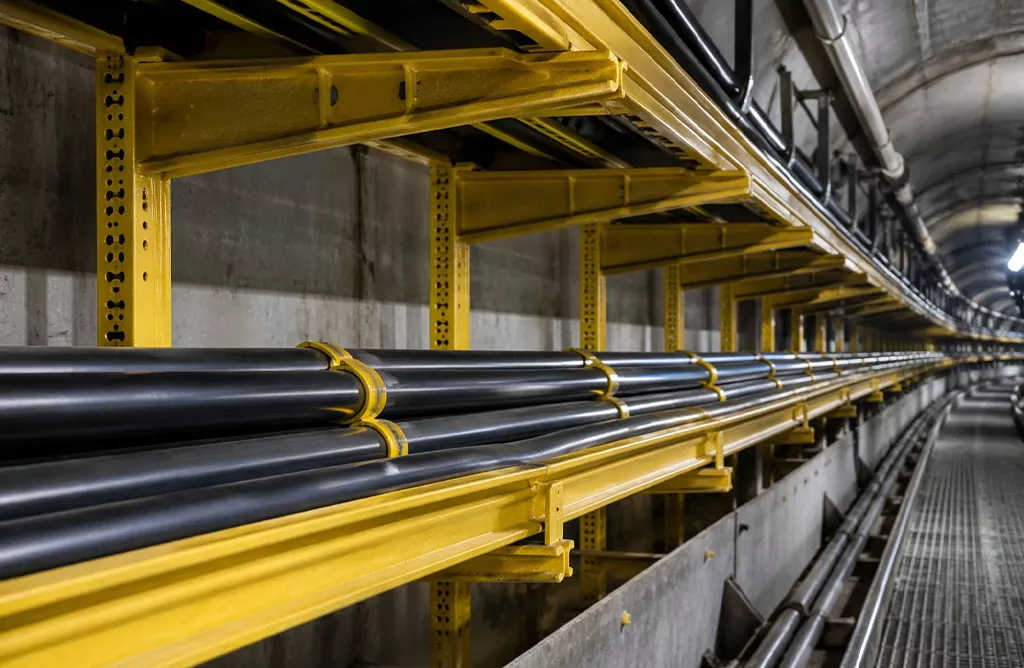
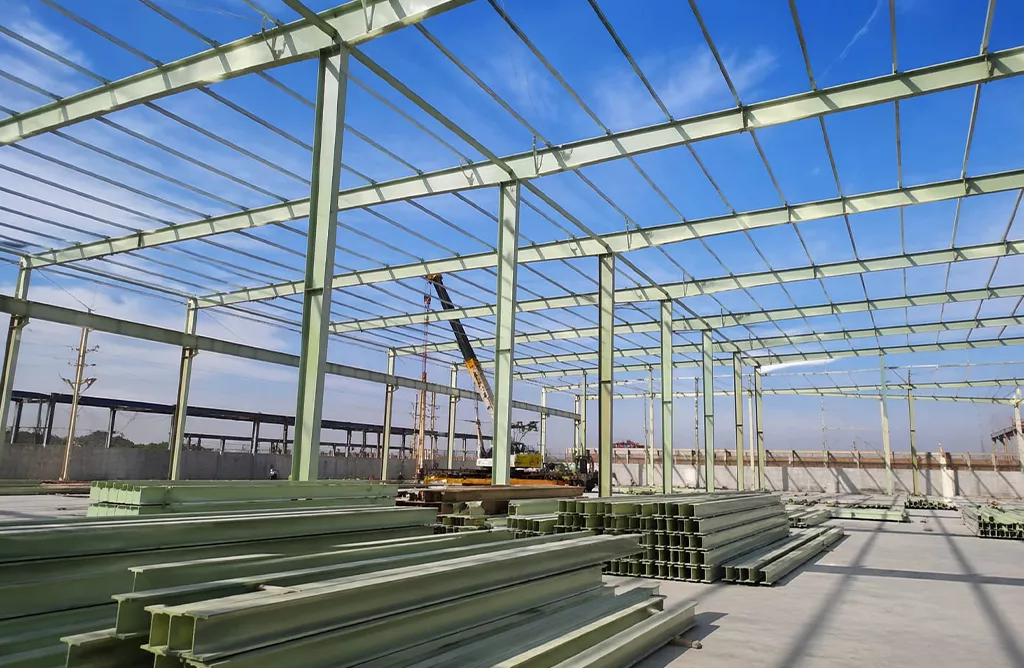
In today’s fast-evolving industrial landscape, choosing the right materials for electrical infrastructure is critical for safety, durability, and long-term cost savings. One such advanced solution gaining significant popularity is FRP (Fiber Reinforced Plastic). Known for its exceptional strength and resistance properties, FRP is widely used in cable management systems, especially in the form of FRP cable trays.
At Kavya Roofing, we understand the importance of reliable and high-performance materials in industrial environments. Along with delivering quality roofing sheets and professional roofing services, we also emphasize the growing role of FRP products in improving industrial efficiency. In this blog, let’s explore the top benefits of using FRP cables in industrial applications.
What are FRP Cables?
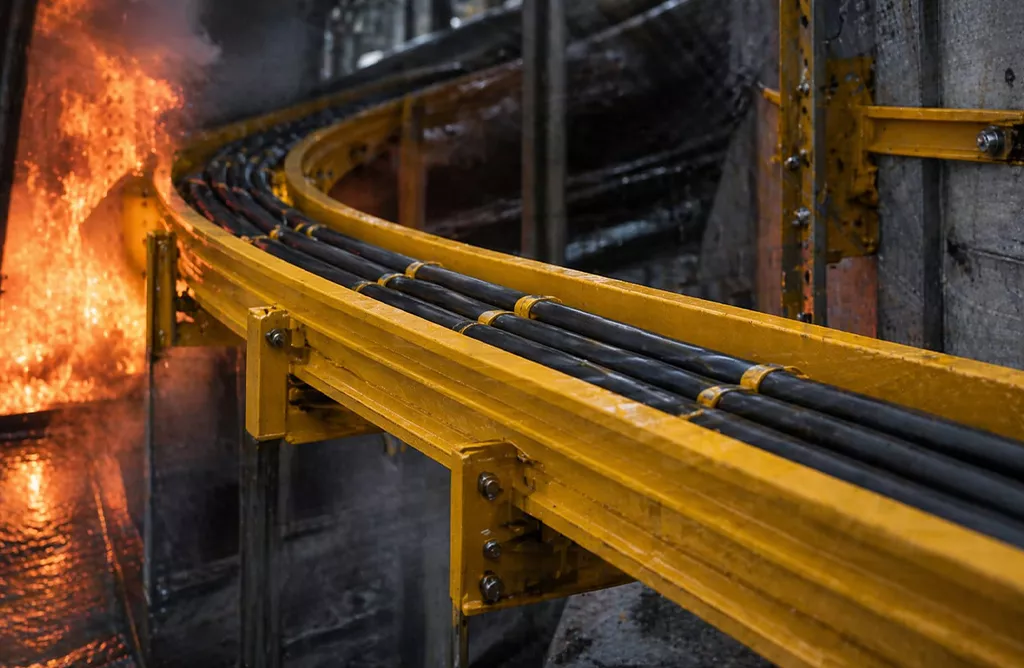
FRP cables are supported and managed using FRP cable trays, which are made by combining polymer resins with reinforcing fibers like glass. This combination results in a lightweight yet extremely strong material that can withstand harsh industrial conditions.
Key Benefits of Using FRP Cables in Industrial Applications
1. Exceptional Corrosion Resistance
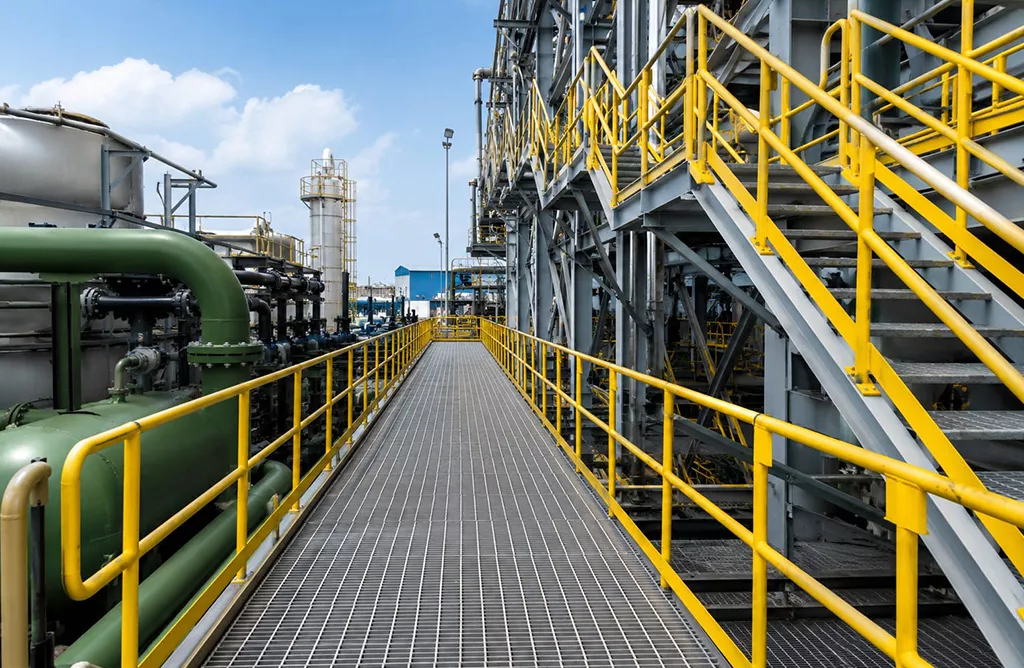
One of the biggest advantages of FRP is its ability to resist corrosion. Industries such as chemical plants, coastal facilities, and wastewater treatment units often deal with moisture, chemicals, and salts that can quickly damage traditional metal systems.
FRP cable trays do not rust or corrode, making them ideal for such environments. This ensures a longer lifespan and reduces the need for frequent replacements.
2. High Strength with Lightweight Structure
Despite being lightweight, FRP offers remarkable strength. This makes installation easier and reduces structural load compared to traditional materials like steel.
For industries that already rely on durable roofing sheets, integrating FRP solutions further enhances the overall structural efficiency without adding extra weight
3. Low Maintenance and Cost-Effective
Maintenance costs can significantly impact industrial budgets. Traditional cable systems often require painting, coating, or replacement due to corrosion or wear.
FRP products, on the other hand, require minimal maintenance. Their resistance to environmental damage reduces repair costs and ensures long-term savings.
4. Excellent Electrical Insulation
Safety is a top priority in any industrial setup. FRP is a non-conductive material, which means it does not carry electrical currents. This makes it a safer option compared to metal cable trays, especially in high-voltage environments.
By using FRP cable trays, industries can reduce the risk of electrical hazards and ensure better protection for workers and equipment.
5. Fire and Heat Resistance
Industrial environments often involve high temperatures and fire risks. Many FRP products are designed with fire-retardant properties, making them suitable for such conditions.
This added layer of safety makes FRP an excellent choice for industries where fire resistance is crucial.
6. Easy Installation and Flexibility
FRP cable trays are easy to handle, cut, and install. Their lightweight nature reduces labor effort and installation time.
Additionally, FRP can be customized into various shapes and sizes, making it adaptable for different industrial layouts and requirements.
7. Weather and UV Resistance
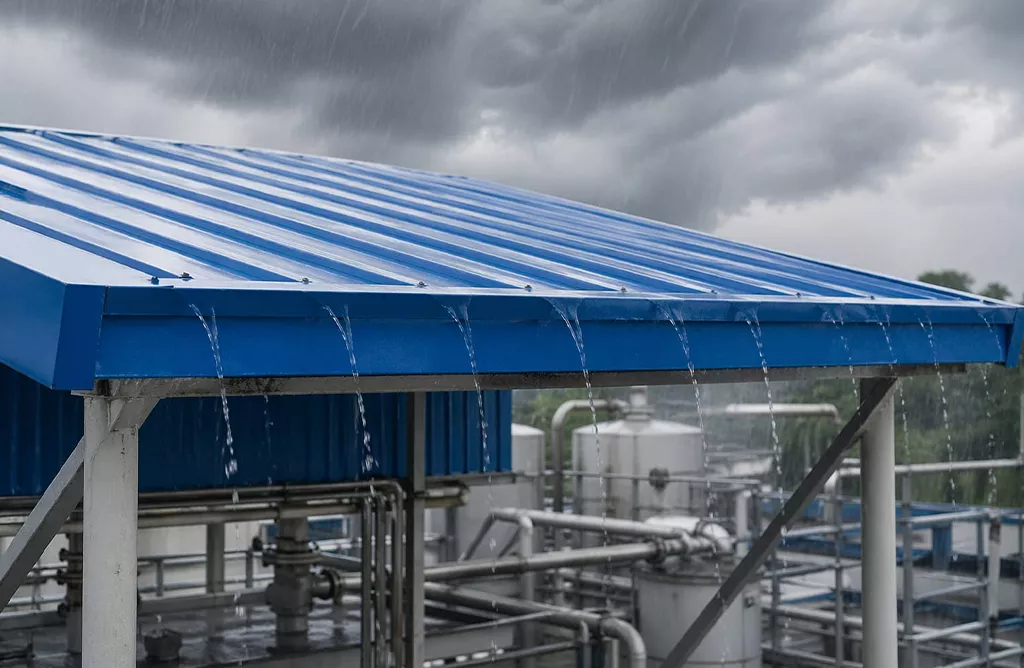
Outdoor industrial setups are constantly exposed to sunlight, rain, and extreme weather conditions. FRP materials are highly resistant to UV rays and weather damage.
When combined with high-quality roofing sheets and professional roofing services, FRP solutions help create a durable and weather-resistant infrastructure.
8. Long Lifespan
Durability is one of the strongest advantages of FRP. Unlike traditional materials, FRP does not degrade easily under harsh conditions.
This long lifespan ensures that industries can rely on FRP cable trays for years without worrying about frequent replacements.
Why Choose Trusted FRP Manufacturers?
The quality of FRP solutions largely depends on the expertise of FRP manufacturers. Choosing experienced manufacturers ensures that the products meet industry standards and deliver optimal performance.
At Kavya Roofing, we focus on providing reliable solutions by integrating high-quality materials and industry expertise, whether it’s advanced FRP systems or durable roofing solutions.
Conclusion
FRP cables and cable management systems are transforming industrial infrastructure by offering a combination of strength, safety, and durability. From corrosion resistance to low maintenance and long-term cost savings, the advantages of FRP are undeniable.
As industries continue to demand high-performance materials, FRP products are becoming an essential part of modern construction and electrical systems. When paired with quality roofing sheets and expert roofing services, they contribute to a stronger, safer, and more efficient industrial setup.
FAQs
1. What are FRP cable trays used for?
FRP cable trays are used to support and manage electrical cables in industrial environments. They provide a safe and organized cable routing system.
2. Why are FRP products better than traditional metal systems?
FRP products are corrosion-resistant, lightweight, non-conductive, and require less maintenance compared to traditional metal systems.
3. Are FRP cable trays suitable for outdoor use?
Yes, FRP cable trays are highly resistant to UV rays, moisture, and extreme weather conditions, making them ideal for outdoor applications.
4. Do FRP cables improve industrial safety?
Yes, due to their non-conductive and fire-resistant properties, FRP systems significantly enhance electrical and operational safety.
5. How do I choose the right FRP manufacturers?
Look for manufacturers with proven experience, quality certifications, and a strong reputation for delivering durable and reliable FRP solutions.